
AAA Affordable Wildlife Control · Since 2008
Bat Removal Toronto
Humane bat exclusion, bat-proofing and guano cleanup
Bats in the attic? Droppings on the windowsill? A bat flying around the house at night? We remove bats humanely with one-way exclusion devices, seal every gap they can use, and clean up the guano, all timed around Ontario’s bat maternity season.
Humane one-way exclusionSealed to 6 mm gapsGuano cleanup
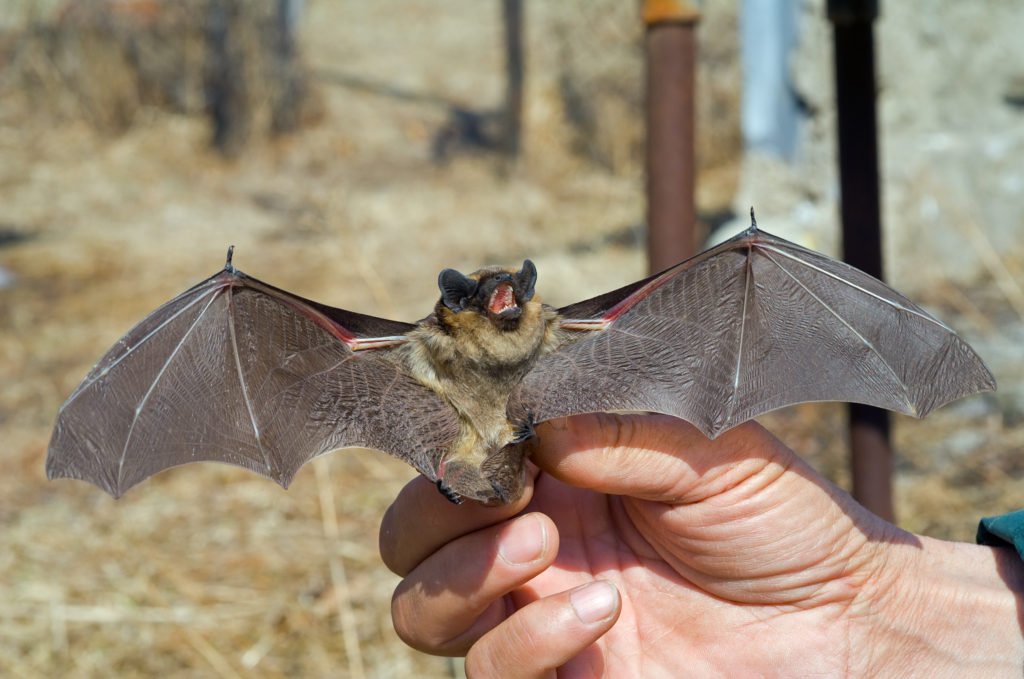
🦇 Humane bat exclusion
Bats in your attic?
Get your price over the phone
On this page
Bat Control Services in Toronto
At AAA Affordable Wildlife Control, we specialize in the humane and effective removal of bats from homes and businesses across Toronto and the GTA. Big brown bats and little brown bats both roost in attics, walls and soffits here, and a small colony can grow into hundreds of bats if it’s left alone.
Bats are protected in Ontario, and several species, including the little brown bat, are listed as endangered. That means bats can’t be killed, poisoned or trapped. The only legal and effective solution is exclusion: let the bats leave on their own through one-way devices, then seal the building so they can’t get back in. That’s exactly what we do, and we time it so no flightless baby bats are ever sealed inside.
Each emergency bat situation should be resolved the same day or the next day. If a bat is loose in your living space, call us right away.
Signs You Have Bats in the Attic
Bats are tiny and active at night, so many homeowners live with a colony for years before noticing. Look for:
Bats leaving at dusk
Watch the roofline for 30 minutes after sunset. Bats drop out of gaps at the ridge, soffit, chimney flashing or gable vents one after another.
Droppings (guano)
Small, dark, crumbly droppings that sparkle with insect wings when crushed, piled on attic insulation, windowsills, decks or the ground below a gap.
Brown stains and rub marks
Greasy brown smudges around small gaps where bats squeeze in and out every night.
Squeaking and scratching
Chirping or rustling in the walls or ceiling, especially at dusk and dawn, and loudest in July when pups are growing.
A bat inside the house
A bat in a bedroom or basement, especially in late summer, often means a colony is living in the attic or walls.
A strong ammonia smell
A sharp, musty urine smell in the attic or upper floors from a large colony.
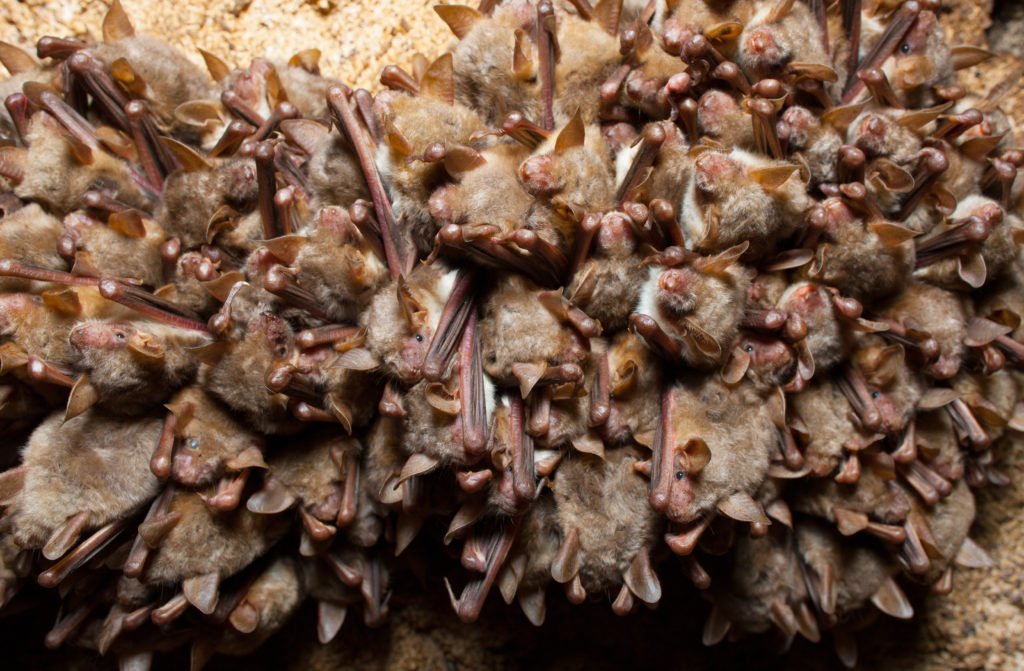
🦇 Bat colony in an attic
See bats leaving your roof?
Book a bat inspection
Bat Guano and Attic Damage
Bats don’t chew like squirrels or tear like raccoons, but a colony still causes real damage over time:
- Guano buildup: droppings pile up on insulation, ceilings and wall cavities, and a large colony can leave many kilograms behind.
- Urine damage: urine soaks into insulation and wood, causing stains, odour and ceiling damage.
- Stained siding and soffits: oily brown marks around entry points and droppings on walls, windows and decks below.
- Insulation contamination: soiled insulation loses its value and usually has to be removed and replaced.
- Pests: bat bugs, mites and insects that feed on guano can follow the colony into the house.
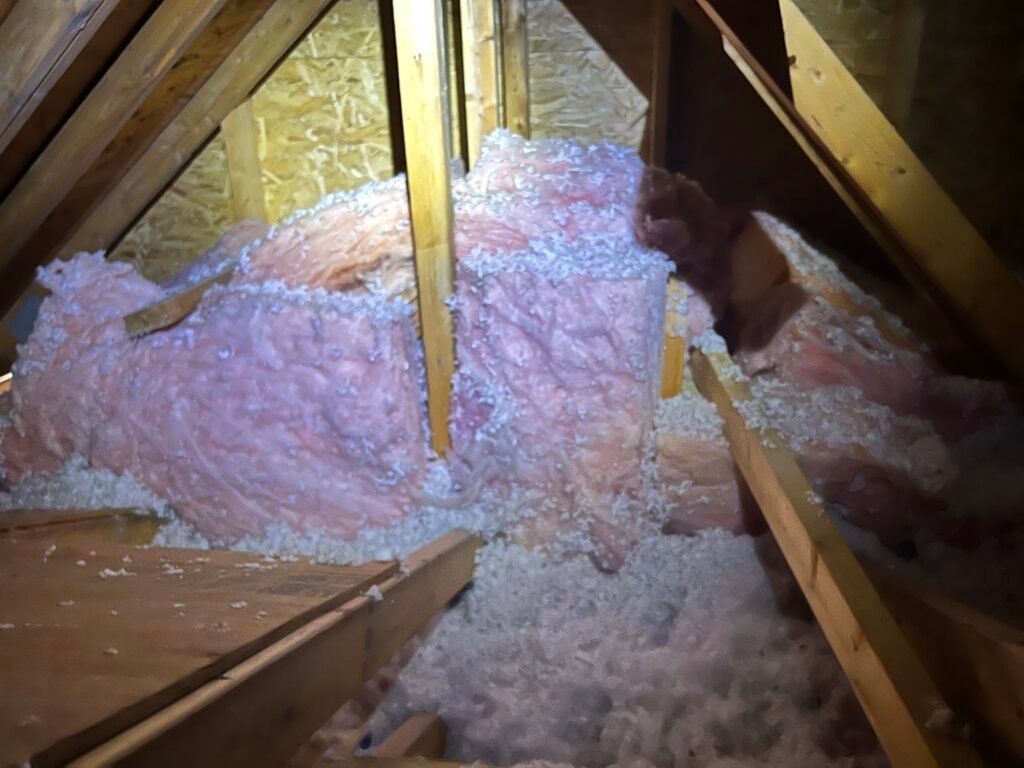
🧹 Attic guano cleanup
Droppings in your attic?
We remove guano and insulation
Are Bats Dangerous? Rabies and Histoplasmosis
Bats are very helpful animals that eat huge numbers of insects, but they don’t belong in your home:
- Rabies: bats are the most common source of rabies in Ontario. Only a small number carry it, but their bites can be tiny and go unnoticed. If anyone has touched a bat, or a bat is found in a room where someone was sleeping, a child, or a person who can’t say whether they were bitten, contact your doctor or local public health unit right away.
- Histoplasmosis: a fungus can grow in built-up bat guano. Disturbing dry guano can release spores that cause a lung infection. Don’t sweep or vacuum guano without proper protection.
- Never handle a bat with bare hands, and keep pets away from any bat you find.
What to Do If a Bat Is in Your House
- Stay calm. The bat is not attacking. It’s lost and looking for a way out.
- Close interior doors to keep it in one room, and keep children and pets out.
- Check for contact. If anyone may have touched the bat or was sleeping in that room, don’t release it. Call public health, because the bat may need to be tested for rabies.
- If there was no contact, open a window or outside door, turn off the lights and give it a few minutes to fly out.
- If it lands, wear thick gloves, cover it with a container, slide cardboard underneath, and wait for us or public health.
- Call us. A bat in the house usually means there are more bats in the attic or walls, and we’ll find out how it got in.
Our Humane Bat Removal Process
- Inspection. We inspect the roof, ridge, soffits, fascia, chimney, siding, vents and attic to find where bats are coming and going, and identify the species.
- Seal the secondary gaps. Bats can fit through a gap of about 6 mm (1/4 inch). We seal every gap that isn’t an active exit with sealant, mesh and flashing.
- Install one-way exclusion devices. Exclusion tubes or netting go over the main exits. Bats leave at night to feed and can’t get back in.
- Wait and confirm. The devices stay up for about one to two weeks of good weather until all the bats are out.
- Remove the devices and seal. The final exits are permanently sealed so the building is bat-proof.
- Guano cleanup. We remove droppings and soiled insulation, sanitize the attic, and quote new insulation if needed.

🛡️ Roofline gaps sealed
Bats getting in at the roofline?
We bat-proof the whole house
Bat Removal Cost in Toronto
Every bat job is quoted after an inspection, because the price depends on the house more than the bats. The main things that affect the cost are:
- The size of the house and roof, and how many gaps need sealing. Bats can use dozens of small openings.
- Roof height and pitch, since steep or high roofs need more equipment and time.
- The number of exits that need one-way devices.
- Guano cleanup, and whether insulation has to be removed and replaced.
- Emergency service for a bat loose in the living space.
Want an exact price for your home?
Call and describe what you’re seeing and where. We’ll give you a price range on the phone and confirm it on site before any work starts.
Bat Maternity Season in Ontario
In late spring, female bats gather in warm attics and walls to form maternity colonies. Each little brown bat has a single pup in June or early July, and big brown bats often have twins. The pups can’t fly for about three to four weeks.
Bats must never be excluded while pups are flightless. If a colony is sealed out in June or July, the pups are trapped inside and die, the mothers try desperately to get back in, and bats often end up in the living space. In Ontario, exclusions are generally avoided from about June 1 to mid-August.
The best times for bat exclusion are spring, before the pups are born, and from mid-August to early fall, once the young are flying and before bats go into hibernation. During maternity season we can still inspect, seal secondary gaps and plan the job, so you’re first on the list when the window opens.
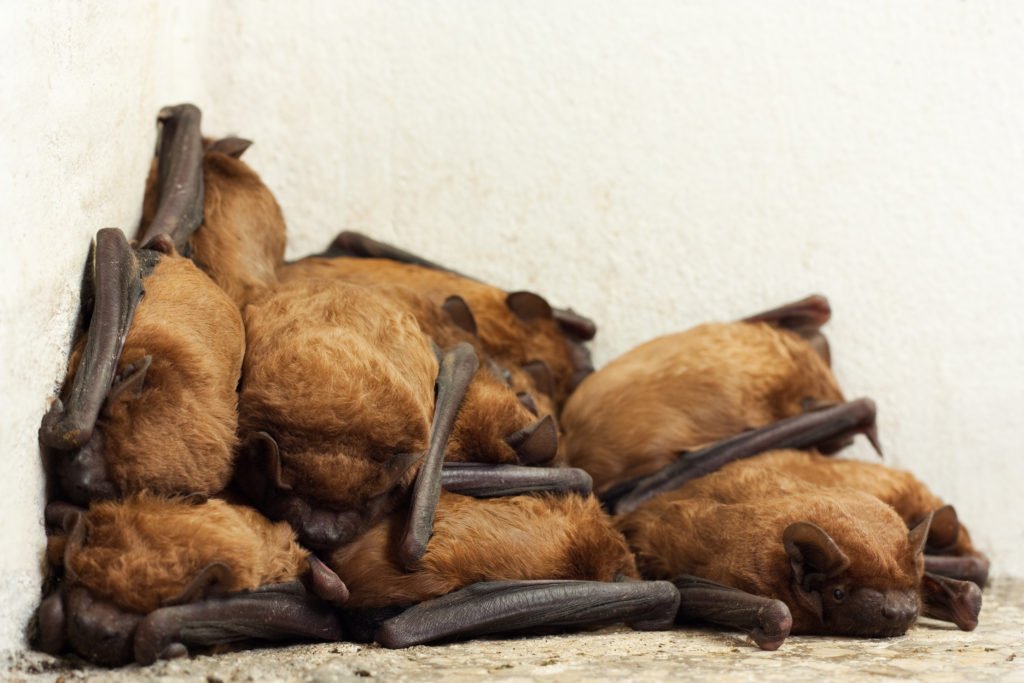
🦇 Maternity colony
Bats in the walls this summer?
Book your exclusion now
Bat Control Calendar
Bats follow the same yearly cycle in Ontario. Use this calendar to see what they’re doing and when exclusion is allowed.
January
No pups.
Little brown bats hibernate in caves and mines. Big brown bats may hibernate in attics and walls.
Inspect and plan. Bats in a heated wall may wander into the house.
February
No pups.
Hibernating. Bats may stir on mild days.
Call if a bat appears inside the house.
March
Females are pregnant after fall mating.
Bats start waking up as temperatures rise.
Book a spring inspection.
April
Females are pregnant.
Bats return to summer roosts in attics and walls.
Good time for exclusion once bats are flying nightly.
May
Maternity colonies form.
Colony grows as females gather.
Last window to exclude before pups are born.
JuneMaternity season
Pups are born, one or two per mother.
Mothers leave the pups in the roost at night.
No exclusions. Seal secondary gaps only.
JulyMaternity season
Pups grow fast and learn to fly at 3 to 4 weeks.
Colony is at its largest and loudest.
No exclusions. Book your August date.
AugustMaternity season
Young bats are flying by mid-month.
Young bats often end up inside the house.
Exclusion season reopens from mid-August.
September
No pups.
Bats feed heavily and mate in the fall.
Best time to exclude and bat-proof.
October
No pups.
Bats move to hibernation sites.
Finish exclusions before cold weather.
November
No pups.
Hibernating.
Seal and clean up guano once bats are gone.
December
No pups.
Hibernating.
Plan spring exclusion if bats are wintering inside.
The Bat Life Cycle
| Stage | Time of year | What happens |
|---|---|---|
| Mating | August to October | Bats mate in the fall at swarming sites before hibernating. |
| Hibernation | October to April | Females store sperm over winter. Pregnancy starts in spring. |
| Maternity colonies | May | Females gather in warm attics, walls and barns. |
| Birth | June to early July | Each mother has one pup (big brown bats often have twins). |
| First flight | 3 to 4 weeks old | Pups start flying and hunting insects in July. |
| Independent | About 6 weeks | Young bats leave the colony with the adults by late summer. |
| Adult | First or second year | Most females have their first pup at 1 to 2 years old. |
How Long Do Bats Live?
Bats live surprisingly long for such small animals. A little brown bat typically lives 6 to 7 years, and some have lived more than 30 years in the wild. Big brown bats can live close to 20 years. Because each female only has one or two pups a year, bat populations recover very slowly, which is one reason they’re protected.
Since 2010, a fungal disease called white-nose syndrome has killed most of Ontario’s little brown bats during hibernation. Humane exclusion protects your home without harming the bats that are left.
Bat Species in Toronto
- Big brown bat: the bat we find most often in Toronto homes. Larger and hardier, it often spends the winter inside walls and attics.
- Little brown bat: smaller and glossy brown, it forms summer maternity colonies in attics and barns. Endangered in Ontario.
- Northern long-eared bat and tri-coloured bat: less common in buildings, and also endangered in Ontario.
- Eastern red, hoary and silver-haired bats: tree bats that migrate south for winter and rarely roost in houses.
Bat Prevention Tips
- Seal gaps of 6 mm or more around the roofline, soffits, fascia, ridge vents, chimney flashing and siding.
- Screen attic and gable vents with fine metal mesh.
- Install a chimney cap to keep bats out of the flue.
- Check after roof or siding work, which often opens new gaps.
- Never seal gaps from June to mid-August without an inspection, because pups may be inside.
- Skip the repellents. Mothballs, lights and ultrasonic devices don’t remove a bat colony, and mothballs are toxic indoors.
Bat Removal Near You
We provide bat removal and bat-proofing across Toronto and the GTA, including:
- Brampton
- Mississauga
- Markham
- Scarborough
- Thornhill
- Vaughan
- Etobicoke
- Rexdale
- Richmond Hill
- Pickering
- Caledon
- Milton
Other wildlife problems? We also handle:
- Raccoon removal
- Squirrel removal
- Skunk removal
- Groundhog removal
- Bird removal
- Opossum removal
- Wasp nest removal
Bat Removal FAQ
Is it legal to remove bats from my house in Ontario?
Yes, by exclusion. Bats are protected and several species are endangered, so they can’t be killed, poisoned or trapped. Humane one-way exclusion, timed outside the maternity season, is the accepted method.
When can bats be removed?
In spring before pups are born, and from mid-August to early fall once the young can fly. Exclusions are avoided from about June 1 to mid-August.
I found a bat in my bedroom. Should I worry?
If there’s any chance someone touched it or was bitten, including if they were asleep, keep the bat contained if it’s safe to do so and call your doctor or public health right away. Bat bites can be too small to notice.
How long do bats live?
Little brown bats usually live 6 to 7 years and can live more than 30. Big brown bats can live close to 20 years.
Will bats leave on their own?
Bats return to the same roost every year, often for generations. A colony usually grows rather than leaves, so exclusion and sealing are needed.
How small a hole can a bat get through?
About 6 mm (1/4 inch) for a little brown bat, and a little larger for a big brown bat. That’s why every gap on the house needs to be checked.
Is bat guano dangerous?
Built-up guano can grow the fungus that causes histoplasmosis, a lung infection. Don’t sweep or vacuum it yourself. We remove it with proper protection and sanitize the area.
Why are there bats in my house in winter?
Big brown bats often hibernate inside walls and attics. On warm days, or near a heated room, they wake up and can wander into the living space.
How long does bat exclusion take?
Sealing and installing the one-way devices is usually done in one visit. The devices stay up for about one to two weeks, then we return to remove them and seal the last exits.
Do you clean up bat droppings?
Yes. We remove guano and soiled insulation, sanitize the attic, and can quote replacement insulation.
Call Today for Bat Removal
Call our friendly team for a fast, accurate estimate or a free quote, and find out how soon we can make your home bat-free.
Toronto & the GTA
Bats out. Gaps sealed. Attic cleaned.
Humane bat exclusion with clear pricing before we start.