
AAA Affordable Wildlife Control · Since 2008
Bird Removal Toronto
Bird nest removal, vent guards and pigeon control
Birds nesting in your dryer vent? Pigeons taking over the balcony? Chirping in the bathroom fan? We remove nests the right way, clean up droppings, and install vent covers, netting and spikes so birds can’t move back in.
$300+ bird nest removalVent guards installedBalcony pigeon netting
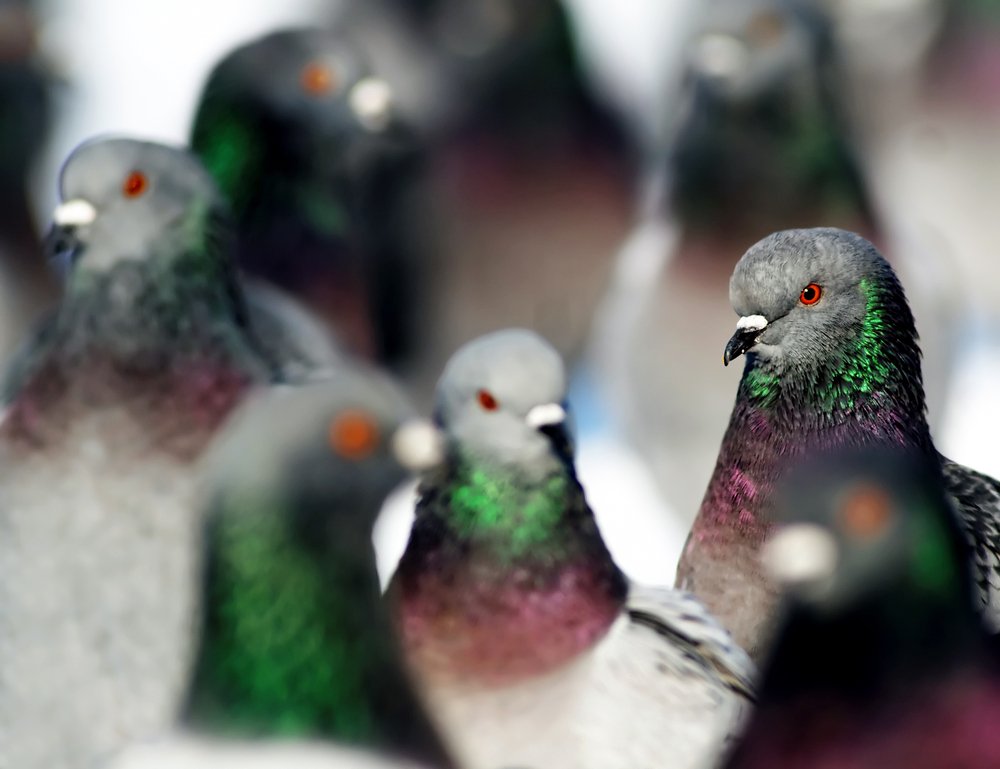
🐦 Humane bird control
Birds in your vents?
Get your price over the phone
On this page
Bird Control Services in Toronto
At AAA Affordable Wildlife Control, we understand the problems and noise birds can cause. Starlings and house sparrows pack nests into dryer vents, bathroom fans and soffits. Pigeons cover condo balconies and window ledges in droppings. Once birds find a good nesting spot, they come back to it every year.
Our team provides efficient, humane bird removal and bird-proofing for homes, condos and commercial buildings. We identify the species, remove nests when it’s legal and safe to do so, clean and sanitize the area, and install permanent barriers so the birds can’t return.
Signs Birds Are Nesting in Your Home
Chirping in a wall or vent
Chirping or fluttering behind the dryer, bathroom fan, range hood or in the ceiling, loudest in the morning. Constant cheeping in May and June means baby birds.
Nest material sticking out
Grass, twigs, straw and feathers poking out of a vent, soffit, gutter, light fixture or the gap behind siding.
Birds flying in and out
Starlings or sparrows going in and out of the same vent or roof gap many times a day.
A dryer that takes longer
Clothes taking two cycles to dry, or a hot laundry room, often means a nest is blocking the vent.
Droppings and stains
White droppings piling up on balconies, ledges, AC units, windowsills and the ground under a nest.
Tiny mites inside
Small moving specks on walls or windowsills near a vent, usually bird mites leaving an abandoned nest.

🪹 Nest packed into a vent
Nest in your dryer vent?
We remove it and guard the vent
Bird Damage and Dryer Vent Fire Risk
A bird nest in the wrong place is more than a nuisance:
- Dryer vent fires: a nest blocks hot air and lint from escaping. Lint is highly flammable, and blocked dryer vents are a well-known cause of house fires.
- Carbon monoxide: with a gas dryer or furnace, a blocked vent can push exhaust back into the home.
- Broken vent flaps and fans: birds break vent covers and pack fans with nest material, which can burn out the motor.
- Water and moisture damage: nests in gutters and soffits cause overflowing water and rot.
- Damaged balconies and AC units: pigeon droppings are acidic and stain and corrode concrete, railings, siding and air conditioners.

🐦 Pigeon mess on a ledge
Pigeons on your ledges?
We clean and bird-proof it
Are Bird Droppings Dangerous?
Built-up bird droppings and nests can carry real health risks:
- Histoplasmosis and cryptococcosis: fungal infections caused by breathing in dust from dried droppings.
- Salmonella and E. coli: bacteria spread by droppings on balconies, patios and play areas.
- Psittacosis: a bacterial illness that can be carried by pigeons.
- Bird mites: when babies leave the nest, mites move into the house looking for a new host and can bite people.
Never dry-sweep or power-wash heavy droppings without a mask. We clean, disinfect and remove the material safely.
Our Humane Bird Removal Process
- Inspection. We identify the species and find every nest and entry point, including dryer, bathroom and kitchen vents, soffits, roof vents and balconies.
- Check the law and the season. Protected species with an active nest are left until the young have fled. Starlings, house sparrows and pigeons are not federally protected, but we still handle them humanely.
- Nest removal. We remove the nest and all the material inside the vent or cavity, not just the part you can see.
- Clean and sanitize. Droppings, nest debris and mites are cleaned up and the area is disinfected.
- Bird-proof. We install steel vent covers and guards, soffit repairs, balcony netting, bird spikes or bird slope, depending on the problem.
- Prevention advice. We tell you what’s attracting birds and what to watch for.

🛡️ Vent guard installed
Want birds out for good?
Ask about vent covers
Bird Removal Cost in Toronto
Bird control costs depend on the number of nests and vents, how high they are, and how much cleanup is needed:
| Bird Service | Typical Cost | Notes |
|---|---|---|
| Bird nest removal and vent guard | $300 to $550 | Depends on the number and height of nesting areas |
| Extra vent covers | Quoted per vent | Dryer, bathroom, kitchen and roof vents |
| Balcony pigeon netting | Quoted on inspection | Based on balcony size and building |
| Bird spikes and bird slope | Quoted per foot | Ledges, signs, beams and rooflines |
| Droppings cleanup and sanitizing | Quoted on inspection | Balconies, attics, ledges and AC units |
Want an exact price for your home?
Call and describe what you’re seeing and where. We’ll give you a price range on the phone and confirm it on site before any work starts.
Pigeon Control for Condo and Apartment Balconies
Pigeons are the number one bird problem in Toronto condos. Once a pair starts nesting behind a planter, under an AC unit or in a corner of the balcony, they can raise a new brood every couple of months, all year round.
- Balcony netting: a near-invisible net closes off the balcony and is the most reliable fix.
- Bird spikes and bird slope: stop pigeons from landing on railings, ledges and beams.
- Remove the nest early: pigeons return to the same spot, so clear any nest material before eggs are laid.
- Don’t feed them: food left out by neighbours keeps pigeons around the whole building.

🐦 Pigeons on a balcony
Pigeons on your balcony?
Ask about pigeon netting
Bird Nesting Season and the Law
Most native birds, their eggs and their active nests are protected in Canada under the federal Migratory Birds Convention Act and Ontario’s Fish and Wildlife Conservation Act. Species such as barn swallows and chimney swifts are also listed as threatened in Ontario. An active nest of a protected bird can’t be removed until the young have left.
Rock pigeons, European starlings and house sparrows are not native and are not protected under the federal act, which is why nests of these species can be removed. Even so, we always remove nests humanely, and with nesting birds we check for eggs and young first.
Most nesting in Toronto happens from April to August, with peak activity in May and June. The best time to bird-proof vents and soffits is in fall and winter, before nesting starts.

🐣 Baby birds in a nest
Hear chirping in a vent?
We handle it the right way
Bird Control Calendar
Use this calendar to see what nuisance birds are doing each month in Toronto and the best time to act.
January
Pigeons can nest year-round.
Pigeons roost on balconies and ledges. Starlings flock together.
Clean balconies and install netting while it’s quiet.
February
Pigeons may be on eggs.
Starlings and sparrows start checking vents.
Cover dryer, bathroom and kitchen vents now.
March
House sparrows start nesting.
Birds carry nest material into vents and soffits.
Last easy window before nesting season.
AprilNesting season
Starlings lay 4 to 6 eggs.
Nesting starts in vents, soffits and light fixtures.
Check vents for nest material.
MayNesting season
Eggs hatch after about 12 days.
Peak nesting. Loud chirping in vents.
Book a nest removal and vent guard.
JuneNesting season
Babies leave the nest at about 3 weeks.
Second broods start in the same vents.
Clean out nests once the young leave.
JulyNesting season
Second broods in vents and balconies.
Bird mites appear when nests empty.
Remove old nests and treat for mites.
AugustNesting season
Last broods leave the nest.
Young birds gather in flocks.
Best time to clean out and seal vents.
September
Nesting is over except pigeons.
Starlings form large roosting flocks.
Install vent covers before next spring.
October
Pigeons keep breeding.
Birds look for warm winter roosts.
Seal soffit and roof gaps.
November
Pigeons keep breeding.
Pigeons crowd sheltered balconies.
Install balcony netting and spikes.
December
Pigeons keep breeding.
Birds roost in vents to stay warm.
Check vent flaps after storms.
The Bird Life Cycle
| Bird | Eggs and broods | Hatching and fledging |
|---|---|---|
| Rock pigeon | 2 eggs at a time, up to 5 or 6 broods a year | Hatch after 17 to 19 days. Young leave at 4 to 6 weeks. |
| European starling | 4 to 6 eggs, 1 or 2 broods a year | Hatch after about 12 days. Young leave at about 3 weeks. |
| House sparrow | 3 to 5 eggs, 2 to 4 broods a year | Hatch after 10 to 14 days. Young leave at about 2 weeks. |
How Long Do Pigeons and Starlings Live?
City pigeons usually live 3 to 5 years, although they can reach 15 years or more in captivity. Starlings and house sparrows typically live 2 to 3 years in the wild, and a few live past 10. Because they breed so often, a single pair can produce dozens of birds in just a few years, which is why it pays to bird-proof early.
Bird Prevention Tips
- Install steel vent covers on dryer, bathroom and kitchen exhaust vents. Make sure dryer guards are designed to let lint out.
- Repair soffits, fascia and siding gaps where sparrows and starlings get in.
- Screen roof vents and chimneys to keep birds out of the attic and flue.
- Use netting, spikes or bird slope on balconies, ledges and beams where pigeons land.
- Don’t feed pigeons, and keep bird feeders away from the house.
- Clean your dryer vent once a year to remove lint and check for nests.
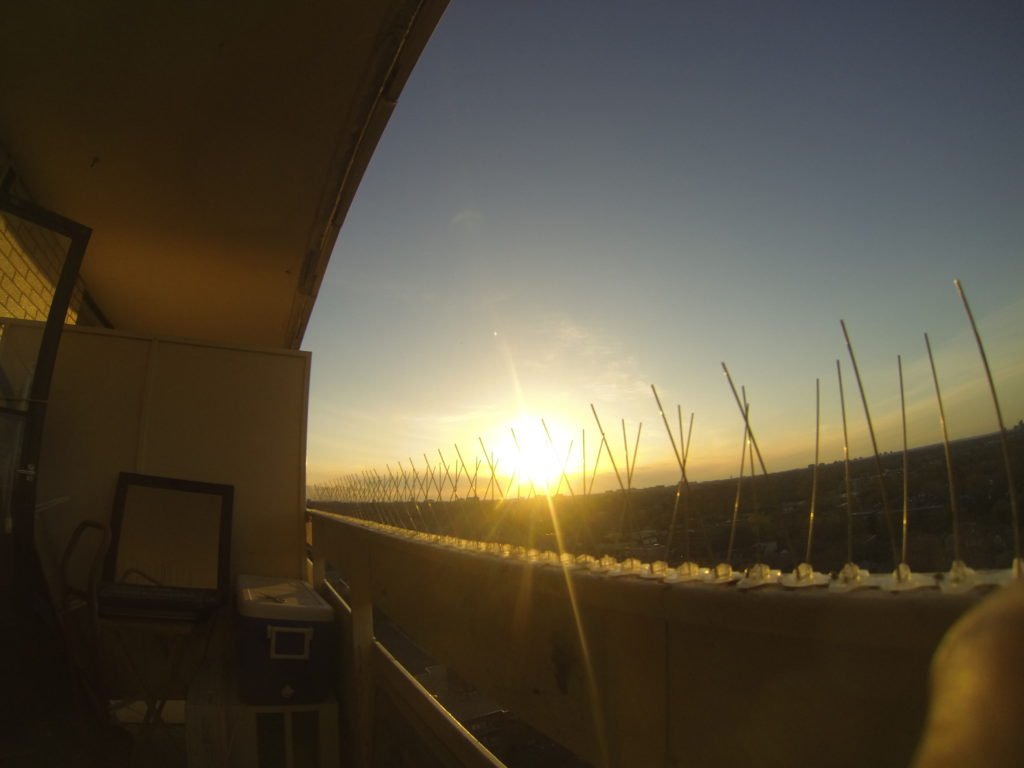
🛡️ Bird spikes installed
Birds landing on your railing?
Ask about spikes and netting
Bird Removal Near You
We provide bird removal and bird-proofing across Toronto and the GTA, including:
- Brampton
- Mississauga
- Markham
- Scarborough
- Thornhill
- Vaughan
- Etobicoke
- Rexdale
- Richmond Hill
- Pickering
- Caledon
- Milton
Other wildlife problems? We also handle:
- Raccoon removal
- Squirrel removal
- Skunk removal
- Groundhog removal
- Bat removal
- Opossum removal
- Wasp nest removal
Bird Removal FAQ
Can I remove a bird nest from my dryer vent?
If it’s a starling, house sparrow or pigeon nest, yes, but get all the material out of the duct, not just the opening, and cover the vent afterward. If you aren’t sure of the species or there are babies inside, call us first, because many birds are protected.
Is a bird nest in a dryer vent a fire risk?
Yes. A nest traps hot air and lint, and lint is very flammable. It can also make a gas dryer push exhaust back into the home. Stop using the dryer until the vent is cleared.
Are birds protected in Ontario?
Most native birds and their active nests are protected under federal and provincial law. Pigeons, starlings and house sparrows are not native and are not protected under the federal act.
When is bird nesting season in Toronto?
Mostly April to August, with the peak in May and June. Pigeons can nest all year round.
How do I stop pigeons on my balcony?
Remove nest material and food, then install balcony netting, which is the most reliable fix. Spikes and bird slope work on railings and ledges.
What are bird mites?
Tiny mites that live in bird nests. When the young birds leave, the mites move into the house looking for a new host. Removing the nest and treating the area solves the problem.
How long do pigeons live?
City pigeons usually live 3 to 5 years, and can reach 15 years or more in captivity.
Will birds come back after the nest is removed?
Yes, if the opening is left open. Birds return to the same nesting spot every year, so the vent or gap has to be covered or sealed.
Do you remove birds from chimneys?
Yes. We remove birds and nests from chimneys and install a chimney cap. Chimney swifts are protected, so we check the species first.
Are bird droppings dangerous to clean?
Dried droppings can release fungal spores and bacteria. Wear a mask and wet the area before cleaning, or let us clean and disinfect it for you.
Call Today for Bird Removal
Call our friendly team for a fast, accurate estimate or a free quote, and find out how quickly we can make your home bird-free.
Toronto & the GTA
Nests out. Vents guarded. Balconies clean.
Humane bird control with clear pricing before we start.