August in Toronto marks one of the most complex months for attic wildlife encounters. Baby season is winding down but not yet over, temperatures are driving animals deeper into residential structures, and homeowners are left trying to decode the sounds overhead. Here is what to expect-and what to do about it.
Key Takeaways
August is peak season for young wildlife-especially baby raccoons, late-summer squirrels, and lingering bat colonies-to be highly active in Toronto attics. Discovering wildlife in your attic in August indicates potential risks for property damage, health hazards, and escalating repair costs if left unaddressed.
- Homeowners typically notice distinct noise patterns, strong odours intensified by warm August temperatures, and visible structural damage before they ever see the animal itself.
- August is a transitional month: many babies are now mobile, which fundamentally changes how humane wildlife removal and bat proof strategies must be planned and timed.
- Active late-summer wildlife may include squirrels and raccoons with young, meaning DIY trapping or premature sealing can orphan dependent juveniles and create secondary problems.
- Stay calm, avoid sealing any openings during baby season, and contact professional wildlife control for safe, humane removal and full attic restoration.
Why August Is Different: Seasonal Wildlife Behaviour In Attics
Late summer in Southern Ontario represents a critical inflection point in the wildlife baby season calendar. By August, the animals already occupying your attic are at specific developmental stages that directly affect what you will hear, smell, and ultimately need to do.
Raccoon kits born in February through April are now four to six months old and highly active-climbing, foraging, and following the mother raccoon in and out of den sites. Squirrels typically have two breeding seasons per year, and second litters arriving in late summer mean new nests are being constructed in soffits and insulation right now. Meanwhile, bat maternity colonies that have been nursing pups since mid-May are beginning to transition as juveniles start flying, preparing for early fall swarming.
Hot attic temperatures push nuisance wildlife toward cooler zones near roof vents, soffit gaps, and gable vents, concentrating noise and damage in those areas. August thunderstorms compound the problem: animals shelter longer inside attics to avoid harsh weather, increasing the time they spend damaging insulation and accumulating waste. Outdoors, abundant food from fruit trees, gardens, and unsecured pet food keeps urban wildlife populations high near homes, raising the odds of repeat intrusions by wild animals seeking easy shelter.
Immediate Steps: What To Do First When You Hear August Attic Noises
Most August attic wildlife situations can be resolved safely if handled correctly from the start. Panicking or rushing to block openings causes more problems than it solves.
When you hear animals in the attic, take these first actions:
- Go to a quiet room and note the exact time and type of sounds-scratching, heavy thumping, chirping, squeaking, or fluttering. Heavy thumping sounds indicate larger nocturnal animals like raccoons.
- Keep children and pets away from the attic hatch and any suspected entry points.
- Do not block or seal any suspected openings yet. Sealing entry points can trap young animals inside, leading to severe odor issues and additional structural damage.
- Avoid opening the attic hatch at night with only a flashlight-this risks panicking trapped wildlife and can lead to bites or scratches.
During daylight, walk the exterior perimeter from the ground. Check for torn shingles, damaged roof vents, loose soffits, or stained fascia boards where animals may be entering. Inspect for noise activity to help identify which species is present. Contact a licensed wildlife removal professional the same day, especially in August when baby or juvenile animals are very likely present and dependent on their mothers.
Common August Attic Visitors: Species, Sounds, And Daily Patterns
Identifying which animal is in the attic sets realistic expectations for noise patterns, health risks, and the timeline for humane removal.
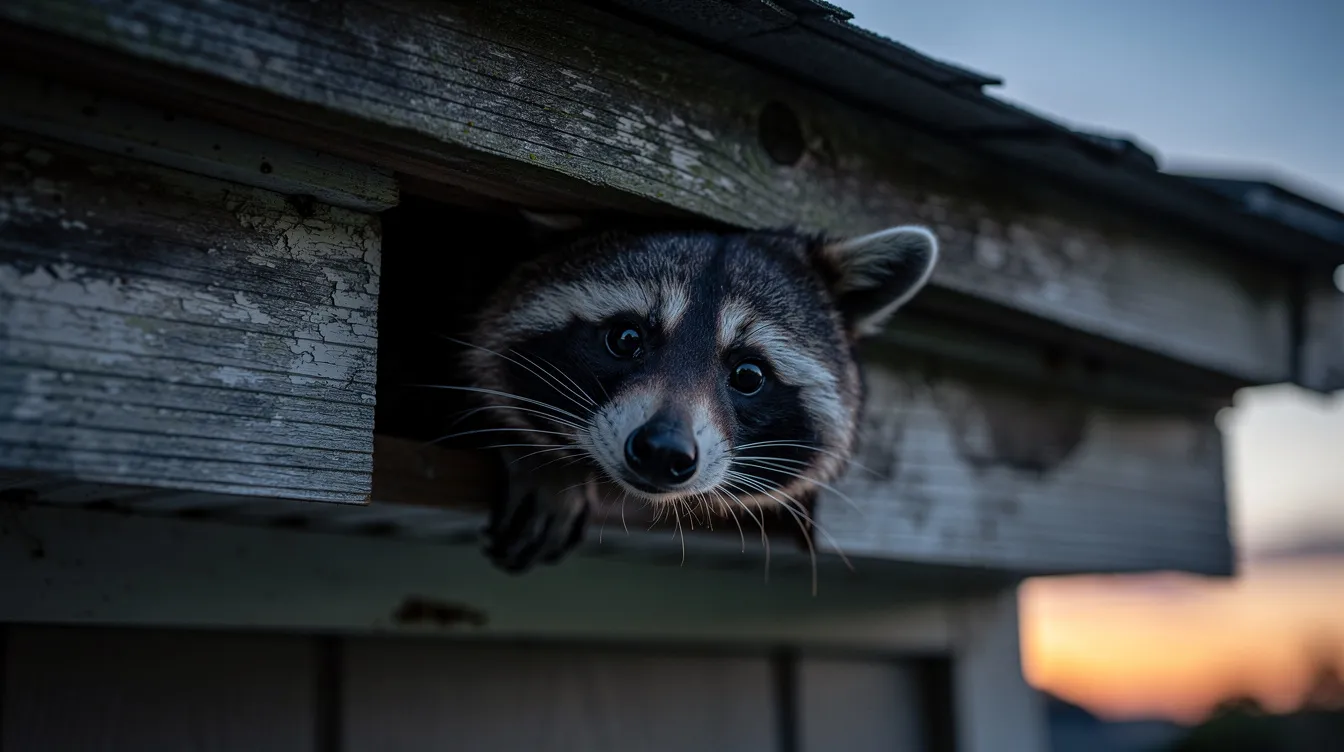
Raccoons: You will typically hear animals at night-heavy dragging, thumping, and chittering. Baby raccoons may whine or produce a distinct “whirring” sound around dusk and dawn. Raccoon kits are born blind and helpless, staying in the den for eight to ten weeks before becoming mobile. By August, spring-born raccoon kits are usually following the mother, but late breeders may still have dependent young. Raccoon tracks resemble tiny human handprints, with four toes on the front feet and five on the rear, and are sometimes visible on dusty attic surfaces.
Gray squirrels and red squirrels: These diurnal species are most active around sunrise and late afternoon. Expect quick, light scurrying, rolling sounds from nuts, and rustling of nesting material. Squirrels can have a second litter during late summer, and baby squirrels from these litters may still be in the nest. Flying squirrels, which are nocturnal, can also be present and are sometimes mistaken for bats.
Bats: Faint scratching or fluttering just after sunset is the hallmark sound. Bats raccoons and other wildlife sometimes share the same attic, complicating removal. Bats may exit through pencil-sized gaps around rooflines in small groups. August often sees increased bat activity as colonies prepare for fall.
Mice, rats, birds, and other wildlife can also occupy attic spaces simultaneously-small mammals like rodents produce lighter scratching, while birds tend to chirp in early morning near attic vents and dryer vents.
Signs You Have Animals In The Attic (Beyond The Noise)
By August, attic inspections often reveal layered evidence because many animals have been active for weeks or months. Droppings and urine odors are among the clearest indicators of a wildlife presence.
Visual evidence:
- Droppings on insulation or near the attic hatch-large, tubular raccoon latrines versus small rodent pellets versus crumbly bat guano. Animal droppings are a clear sign of infestation.
- Tunnels or matted trails in blown-in insulation where animals are nesting or running.
- Shredded insulation, cardboard, or stored fabrics repurposed as nesting material. Squirrels leave behind acorn shells in attics, another telltale clue.
Structural and surface clues:
- Rub marks or greasy smears where animals squeeze through gaps-these rub marks indicate frequent animal entry points.
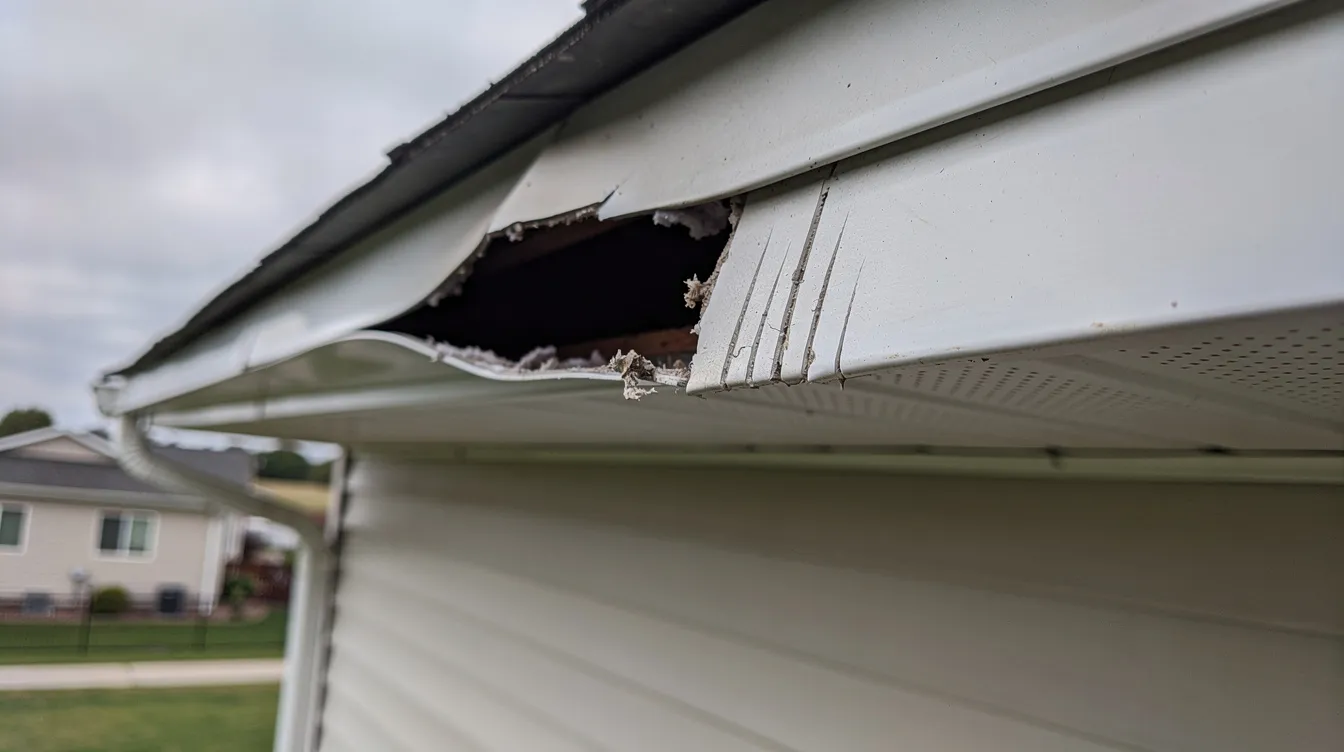
- Chewed electrical wiring, gnawed rafters, or tooth marks on plastic roof vents and soffits.
- Unexpected light visible through gaps in roof decking, fascia, or gable ends, signaling entry holes.
Strong, musky odours or a sharp ammonia smell intensify in August heat, making urine-saturated areas and hidden carcasses far more noticeable. Warm August temperatures can accentuate odors from wildlife waste throughout the entire home. When you observe multiple overlapping signs-heavy droppings, severe odour, and chewed wiring-this indicates a longer-term wildlife problem that will likely require full attic restoration, not just trapping.
Health And Safety Risks: Why August Infestations Can’t Wait
Hot, stagnant attic air in August amplifies every health and fire risk associated with wildlife contamination. These are not hypothetical concerns-they represent measurable dangers to occupants.
Biohazard concerns:
- Raccoon feces can carry Baylisascaris procyonis (roundworm) eggs, which are extremely hardy and can cause serious neurological damage in humans. Raccoons can transmit rabies, posing a direct health risk to humans.
- Bat guano can harbour Histoplasma capsulatum spores associated with histoplasmosis. Bats can carry rabies, increasing health risks for homeowners.
- Bird droppings can carry histoplasmosis, a serious disease often overlooked in attic environments.
- Rodent droppings can contaminate insulation and air quality, transmitting bacteria and viruses and triggering asthma in sensitive occupants.
Avoid direct contact with wildlife due to health risks from bites or diseases. High temperatures accelerate bacterial growth, sometimes causing smells to seep into living spaces and HVAC systems.
Fire and structural hazards:
- Animals may chew on insulation or wiring, increasing fire risks significantly. Rats cause many house fires annually due to chewed wiring-compressed or displaced insulation that hides damaged cables makes detection even harder.
- Repeated soiling and moisture weaken wooden roof members over time.
These health risks make professional, humane wildlife control and proper sanitation essential during late-summer infestations-not optional.
Structural Vulnerabilities: How Animals Are Getting In Before You Notice
By August, most wildlife have been exploiting the same weak spots for months, enlarging gaps and creating new access routes. Understanding how animals are gaining access is fundamental to preventing re entry.
Common vulnerable entry points include:
| Species | Minimum Opening Size | Typical Entry Location |
|---|---|---|
| Raccoons | Grapefruit-sized hole (~4–5 inches) | Torn shingles, plywood, roof returns |
| Squirrels | 1.5 inches (~38 mm) | Fascia gaps, soffit joints |
| Mice | Quarter-sized crack (~¼ inch) | Foundation gaps, small holes in siding |
| Bats | Pencil-width gap (~16 mm) | Flashing, ridge vents, eaves |
Common entry points include soffits, vents, and roof returns. Raccoons can enter through holes the size of a grapefruit by tearing shingles or plywood. Bats can enter through gaps no bigger than a pencil along flashing or ridge vents. Squirrels can squeeze through openings as small as 1.5 inches, and mice can fit through gaps as small as a quarter. Construction gaps where roof decking meets brick or siding, and damaged chimney cap assemblies, are also frequent potential entry points for larger animals and rodents alike.
At dusk, homeowners can safely observe from the ground to watch for animals entering or exiting, helping to pinpoint active entry holes. However, sealing must only happen after humane removal or one-way exclusions are confirmed effective-otherwise unwanted animals may be trapped inside walls and attic cavities.
Humane Wildlife Removal In August: What A Professional Visit Typically Involves
August wildlife removal must balance homeowner urgency with a humane approach that accounts for baby or juvenile animals still present. August is critical for young wildlife still dependent on their mothers, and the removal process reflects that reality.
Inspection process:
- Interior attic inspection for droppings, nests, contaminated insulation, and species identification.
- Rooftop or ladder inspection of the roofline, roof vents, soffits, and chimney caps for active and potential entry points.
- Checking for signs of baby raccoons, baby squirrels, juvenile flying squirrels, or a bat maternity colony.
Typical humane removal methods in late summer:
- Professionals install one way doors for raccoons and squirrels once young are mobile enough to exit with the mother. If the mother retrieves her young successfully, reunification is confirmed before proceeding.
- Hands-on collection and reunification of remaining babies at the main entry point when necessary.
- Legal, timed bat proof work-careful bat exclusion and sealing-done as the Ontario maternity season restriction ends and pups can fly, typically by mid-August.
Follow-up visits confirm all wildlife are gone before professionals permanently seal entry points and begin attic restoration. Licensed wildlife control operators in Ontario follow provincial regulations and prioritize safe, humane handling over lethal methods. Professional wildlife removal is recommended for both safety and effectiveness.
Attic Restoration After Nuisance Wildlife: Cleaning, Disinfection, And Insulation
By August, long-term infestations often demand more than just removing the animals. Wildlife can cause structural damage and health hazards in attics that persist long after the uninvited guests have left. Full or partial attic restoration addresses these lingering threats.
Cleanup phase:
- Removal of feces, urine-soaked insulation, nesting material, debris, and any carcasses.
- HEPA-grade vacuuming and application of appropriate disinfectants on contaminated surfaces.
- Safe handling and disposal of raccoon latrines and bat guano as biohazardous waste.
Insulation assessment and replacement:
- Evaluating R-value loss and compression from tunnelling, nesting, and repeated soiling. Animals that damage insulation reduce thermal performance and drive up energy bills.
- Replacing heavily contaminated insulation with new material-this step alone can save money on heating and cooling over time.
- Optional pest-resistant insulation products deter certain insects and improve overall energy efficiency.
Proper attic restoration eliminates lingering odours and health risks, restores thermal performance, and-critically-removes the scent trails that attract squirrels, raccoons, and other nuisance wildlife back to the same house. Choose companies that offer both wildlife removal and attic restoration to ensure continuity from eviction through final repairs.
Prevention And Proofing: How To Bat Proof And Animal-Proof Your Home For Fall
August is the ideal month to plan long-term exclusion work before animals start scouting for fall and winter den sites. Acting now means your home is secured before the next wave of animals seeking shelter arrives.
Exterior prevention steps:
- Screen roof vents, attic vents, gable vents, and dryer vents with heavy-gauge, chew-resistant mesh. Check vents regularly for signs of tampering.
- Install a secure chimney cap on every flue opening.
- Reinforce soffits and fascia where animals have previously pushed in panels-these are the most vulnerable entry points on most Toronto homes.
Bat-specific prevention:
- Once all bats are safely excluded, seal pencil-sized gaps along rooflines, ridge vents, and eaves. The Ontario government recommends performing bat proof work from late August through October, outside the protected maternity period.
Yard and property adjustments:
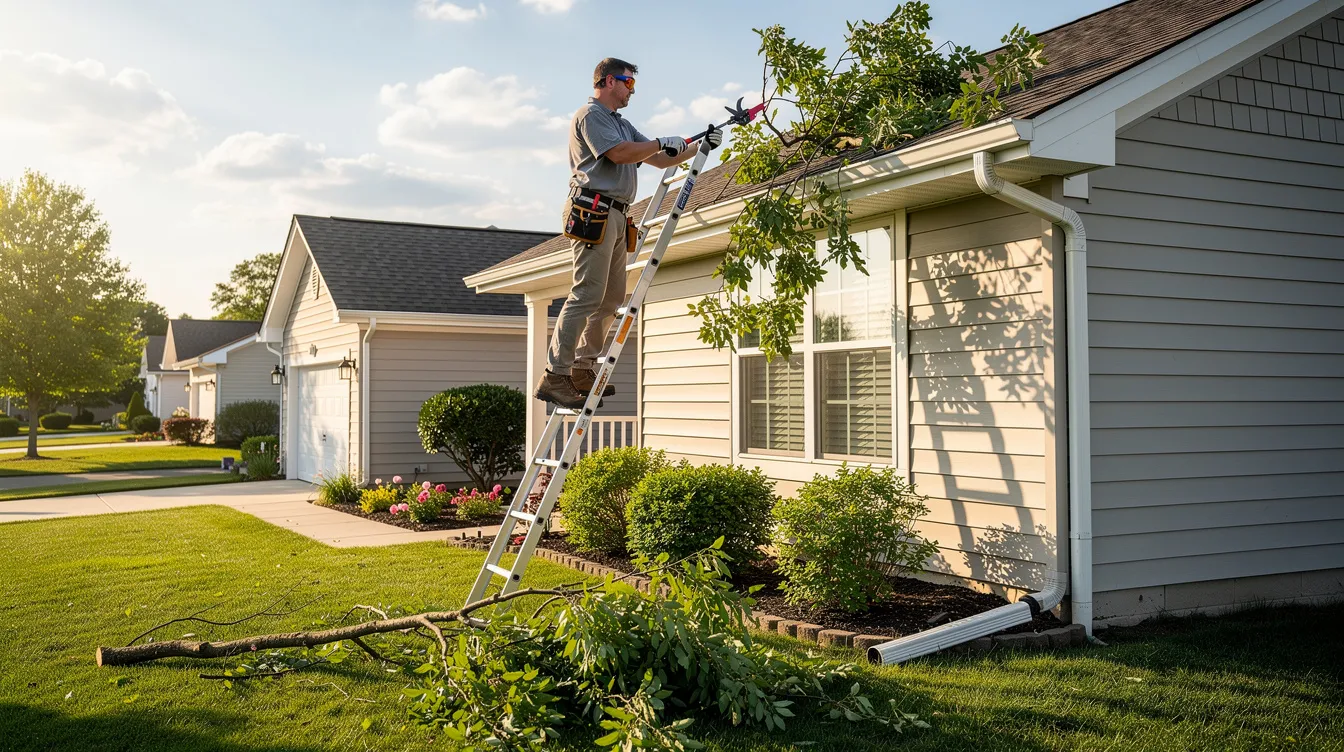
- Trim tree branches to maintain a six-to-eight-foot clearance from the roof, since overhanging limbs attract squirrels and raccoons to rooflines.
- Keep pet food, bird feeders, and compost secured year round-accessible food sources attract squirrels and many animals to properties.
- Store garbage in wildlife-resistant bins with locking lids to reduce attractants.
Prevention should conclude with a full “attic-to-foundation” inspection by a wildlife control professional to confirm all vulnerabilities across the entire home are addressed. Conduct a wildlife inspection in late fall or early winter as a final check before the coldest months, and inspect roof vents and chimney caps for damage regularly.
Additional Tips, Legal Considerations, And When To Call For Help
August wildlife issues escalate quickly, and timing plus legal rules matter significantly for bats, birds, and some small mammals in Ontario.
Additional tips:
- Keep a simple log of noises and sightings for the technician-note whether sounds occur at night or during the day, and whether you hear animals moving or vocalizing.
- Avoid using poisons in attics, which create hidden carcasses, severe odours, and secondary pest problems.
- Never attempt to handle bats or suspected rabid animals yourself.
- Some sources suggest you can play loud music or use loud music near the attic to encourage wildlife to leave-but this rarely works with established dens and can stress dependent young. Open door strategies are similarly unreliable for species already nesting.
Legal considerations:
- Many species-especially bats and migratory birds-are protected under provincial and federal legislation. Certain exclusion activities are restricted during baby season, and the Toronto Wildlife Centre advises that raccoon dens from January through September should be assumed to include mothers and dependent young.
- Rely on licensed professionals who understand these rules to avoid legal issues and unnecessary animal suffering.
Red flag situations-call for help immediately:
- Animals entering living spaces such as bedrooms or kitchens.
- Loud vocalizations of baby animals in walls or ceilings.
- Signs of chewed electrical wiring or any smoke odour near attic areas-a potential pest problem that crosses into a fire hazard.
Professional, humane wildlife removal and prevention is almost always faster, safer, and more cost-effective than repeated DIY attempts. Address the issue now, before early fall denning season compounds the damage.
Frequently Asked Questions
Below are answers to common August-specific concerns not fully addressed above.
Can wildlife in my attic leave on its own once the weather cools?
While some animals may shift den sites seasonally, most raccoons, squirrels, and bats will keep returning to a proven safe attic year after year. Relying on them to “just leave” usually leads to repeat or worsening infestations. The scent trails left behind actively attract new wildlife to the same entry points, and structural vulnerabilities only grow larger over time. A professional assessment to seal entry points and prevent re entry is the only reliable solution.
Is it safe to store belongings in an attic after a wildlife infestation?
Stored items contaminated by droppings, urine, or nesting material should be discarded or professionally cleaned. Only after proper attic restoration-including removal of contaminated insulation, HEPA vacuuming, and disinfection-is it safe to use the space again for storage. Contaminated insulation left in place continues to pose respiratory and bacterial health risks.
How long does professional wildlife removal and attic restoration usually take in August?
Simple cases-a single raccoon family with mobile young-may take just a few days, covering inspection, one-way door installation, and final sealing. Heavy August infestations with extensive attic restoration, insulation replacement, and multiple species can stretch over one to two weeks depending on damage and the number of animals involved.
Will removing wildlife from my attic harm the babies?
Reputable wildlife control companies use a humane approach: they either wait until young are mobile, perform hands-on reunification with the mother, or work with licensed rehabilitators if reunification is not possible. The goal is always to keep families together. This is why August timing matters-most spring-born young are mobile enough by mid-to-late August for safe exclusion using one way doors.
Do I need to leave my home during cleanup and disinfection?
Most homeowners can stay in place during attic restoration, but technicians may ask you to avoid certain areas temporarily while they remove contaminated materials and apply disinfectants. Special precautions-including temporary relocation from specific rooms-may be recommended for people with respiratory conditions, young children, or immunocompromised household members.